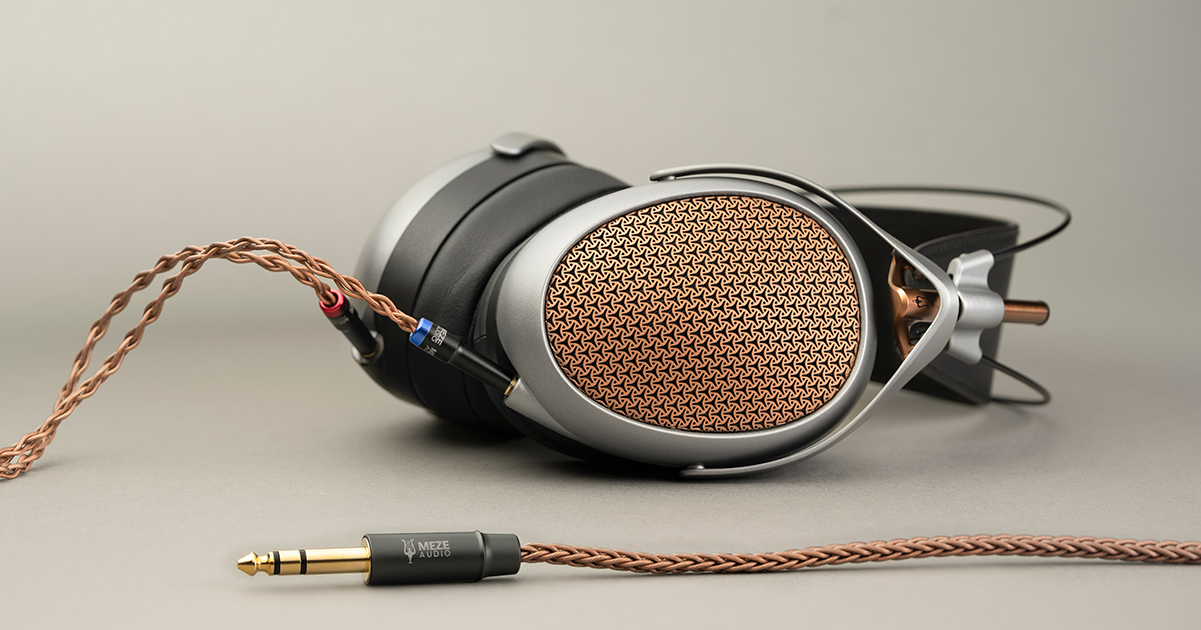
Meze Audio POET headphone review
Hands-on with Meze's finely crafted open-back wired headphones

At CanJam NYC 2025, Meze Audio debuted the POET — a more compact version of their top-of-the-line planar magnetic headphones. I was fortunate enough to receive a sample to audition, right before a snowstorm hit Central Virginia.
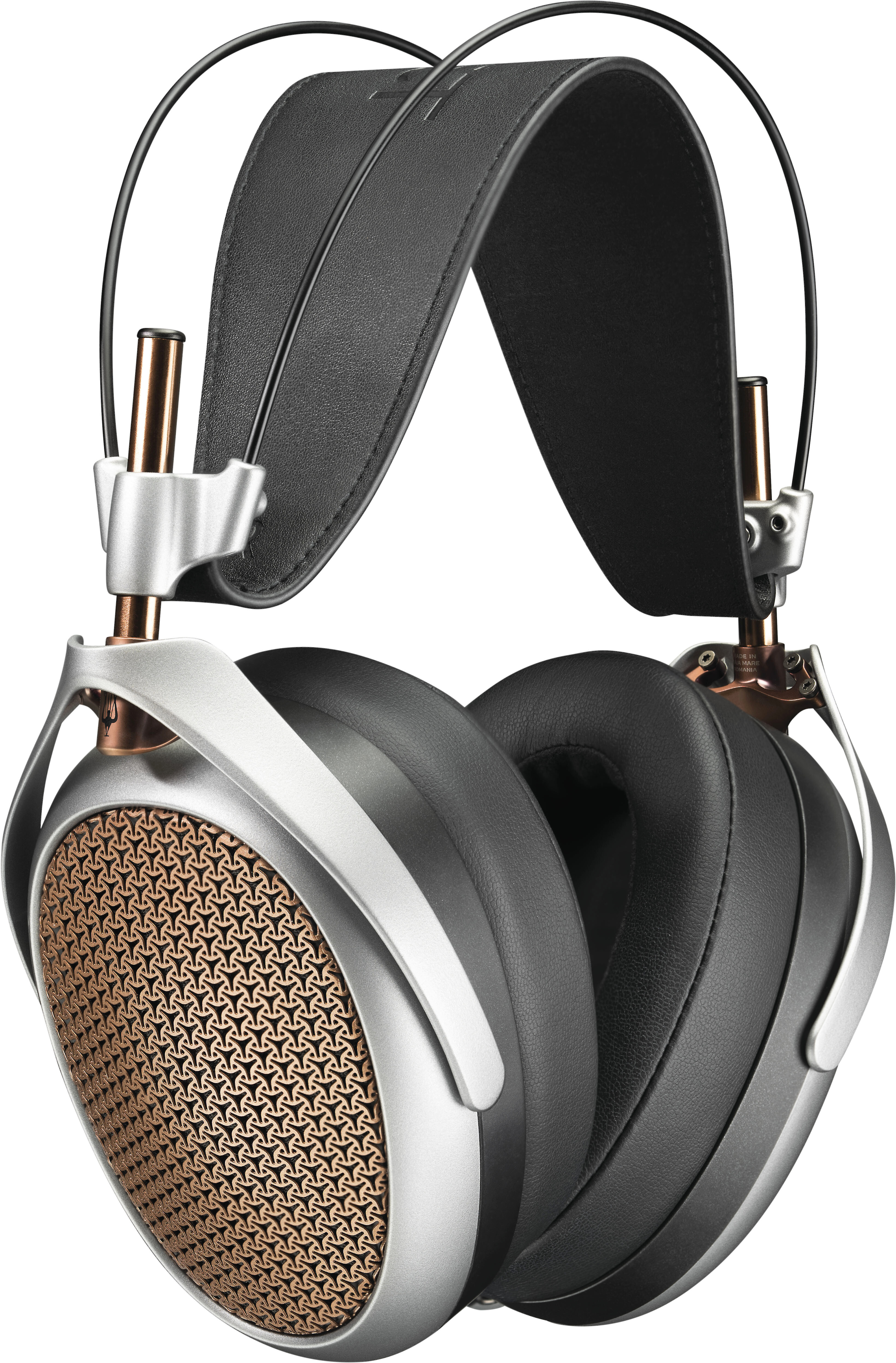
So, I spent the week before CanJam snowed in with these well-built audiophile headphones from the Romanian design experts to keep me company.
Meze's top-flight headphone experience in a smaller, lighter package
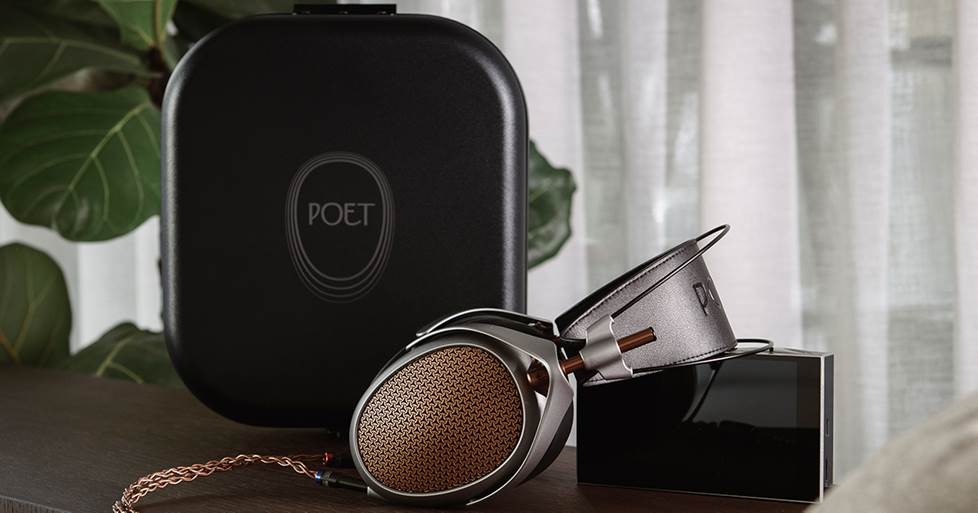
There's something special about unboxing a set of Meze Audio headphones. When I pulled the company's striking POET open-back headphones from their latched leather case, it conjured memories of similar multisensory experiences I've had with their previous offerings.
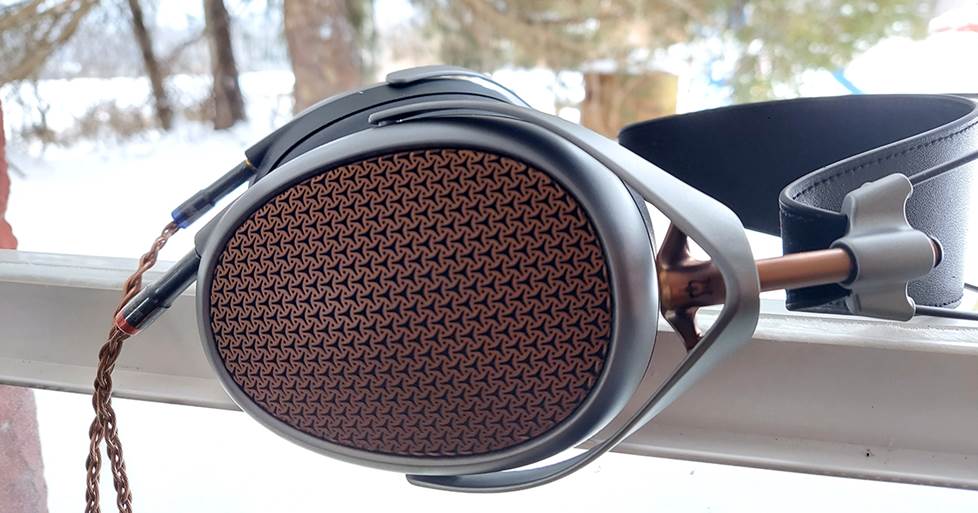
The week before CanJam 2025, I was snowed in with the Meze POET open-back headphones.
In fact, these headphones are designed to be smaller, lighter versions of their flagship planar magnetic models, the Elite and Empyrean II — two of the most finely crafted sets of headphones I've ever seen, held, or worn. Meze uses many of the same build and design techniques, so the POET headphones are just as easy on the eyes and pleasant to the touch.
For the ears, they teamed once again with Rinaro, a Ukrainian research team and frequent collaborator, to retool their planar magnetic drivers and optimize the size, tuning, and airflow. Meze's acoustic engineer Alex Grigoras said it took years of R&D to create compact drivers that are “every bit as capable as our flagship models.”
Solidly constructed with fine attention to detail
From a distance, these might appear to be closed-back headphones, but a closer look at their robust aluminum grille reveals a different story. The etched art-deco-inspired pattern on each earcup allows air to flow in and out freely. The small, symmetrical openings are chiseled with the help of a CNC milling machine — a meticulous process that we detailed in our interview with company founder and lead designer Antonio Meze.
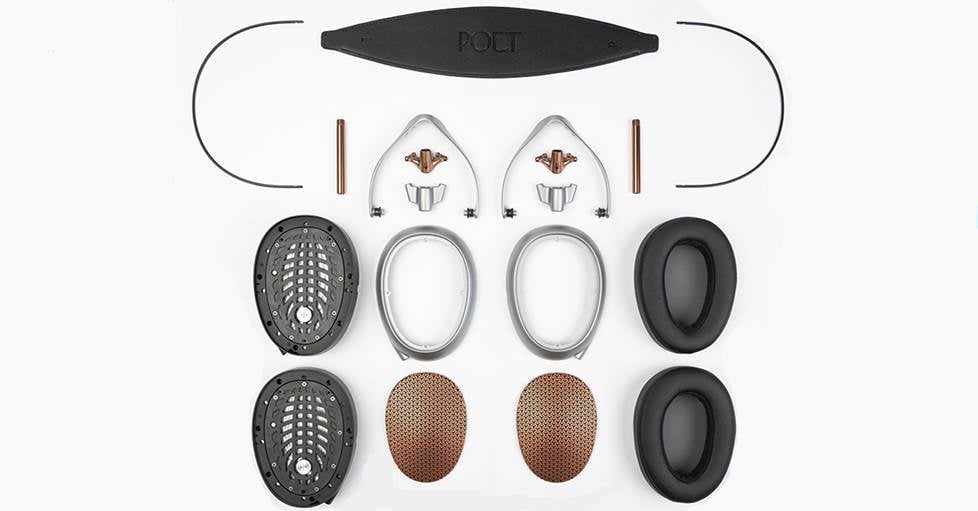
Meze created the POET headphones from fine materials and metals.
Comfortable, no-fuss fit
Meze uses a spring-suspension system inspired by their own 99 Classics, with the geometry slightly adjusted for the bigger earcups. Those winning ergonomics earned the 99 Classics the title of Crutchfield's "most comfortable" headphones after extensive in-house testing. Here on the POET, they feel a little snugger, but the fit was still "one and done" for me. The headphones needed no adjustment once I secured them in place.
Sonic accuracy and authority
A closer look at the planar driver reveals some key details, too. By separating the voice coil on the transducer, Rinaro figured out a way to deliver the spacious, evenhanded planar sound — with Meze's authoritative bass. Alex and team made some tuning tweaks to preserve the powerful low-end punch, while serving up more clarity and presence across all frequencies.
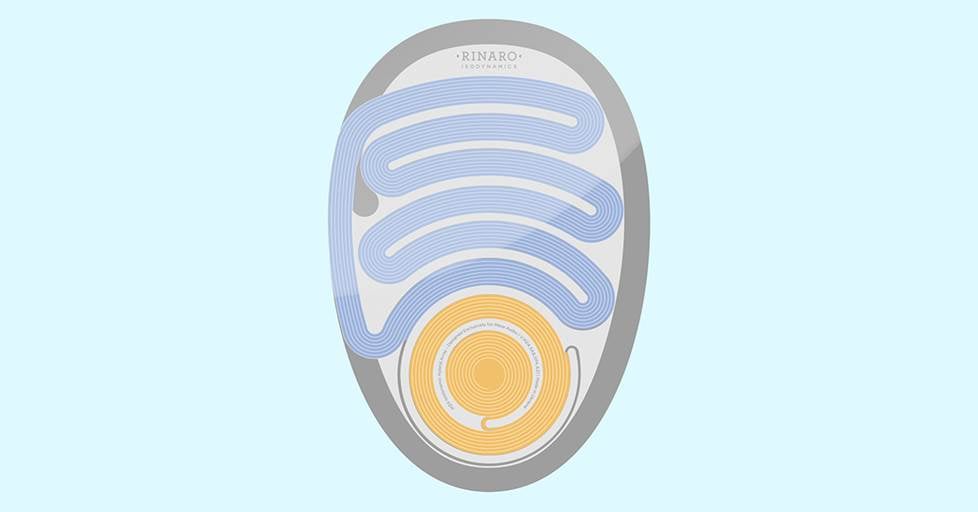
This color-coded illustration of Rinaro's hybrid array planar diaphragm shows the separate voice coils for bass (blue) and mids/highs (gold).
One of the coolest features of this headphone from a tactile standpoint is the planar magnet system. The same magnet array that moves the drivers also helps secure the earpads to the earcups, which fasten into place with a satisfying snap. That extra magnetic flux also increases the driver output and the overall efficiency of the POET headphones. (I still recommend using a separate headphone amp to hear them at their best.)
Dan Clark's resonator helps smooth out "peaks and holes" in upper frequencies
To help smooth out harsher high frequencies and expand the soundstage, Meze turned to technology from fellow high-end headphone maker, Dan Clark Audio. They've included DCA's patent-pending "AMTS" damping filter to expand the soundstage and smooth out harsh high-end frequencies.
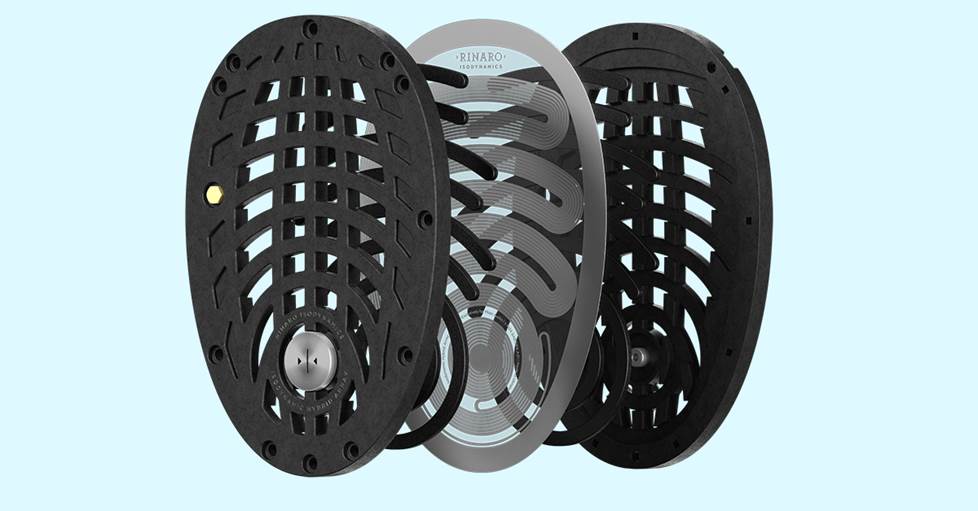
The MZ26 Isodynamic hybrid array driver uses an advanced magnet system and Dan Clark's AMTS filter to help improve efficiency and smooth out bothersome sonic peaks.
AMTS stands for "Acoustic Metamaterial Tuning System," and it's essentially a slope-shaped baffle between the driver and the ear. This baffle is pockmarked with a series of grooves, deliberate in their depth and placement. By diffusing and absorbing the standing sound waves inside the earcup, it creates a more spacious sonic presentation with accurate, intricate upper-mids and airy, resolving highs.
Listening impressions
Even though these headphones aren't as big and robust as Meze's Empyrean and Elite models, they are larger than the average set of over-ears. But the weight was distributed well when I wore them and the over-sized ear pads hugged them securely into place.
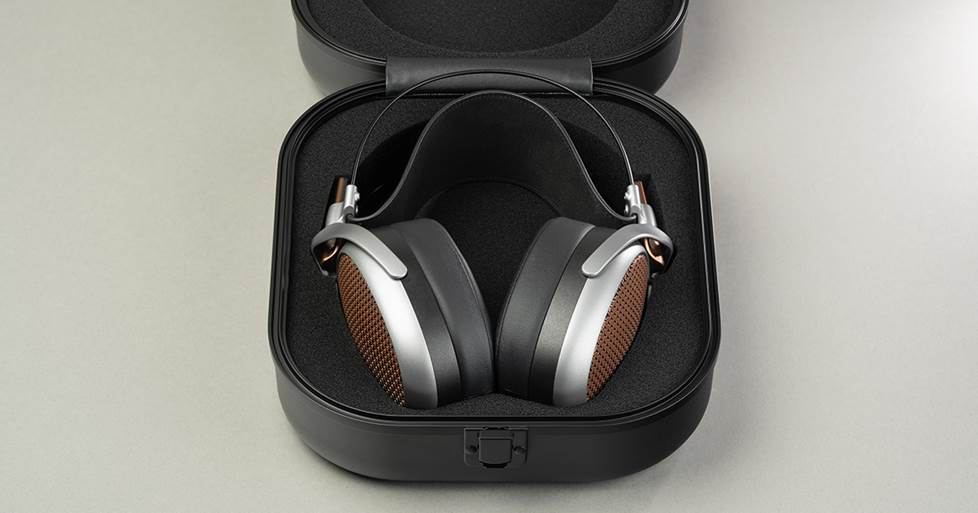
The Meze POET packs neatly in the included hard case.
I'm always aware of what you could call a "placebo effect" when auditioning headphones that look and feel this good. (Even the braided cable is substantial and satisfying.) All that beauty, comfort, and fine material can cover up sonic shortcomings. But no emperor’s new clothes moment here — the well-engineered drivers more than hold their own.
I drove these headphones with my older Audio-Technica tube amp and used the iFi Audio NEO iDSD as my DAC and preamp. Qobuz is my high-res music service of choice, streaming from my laptop.
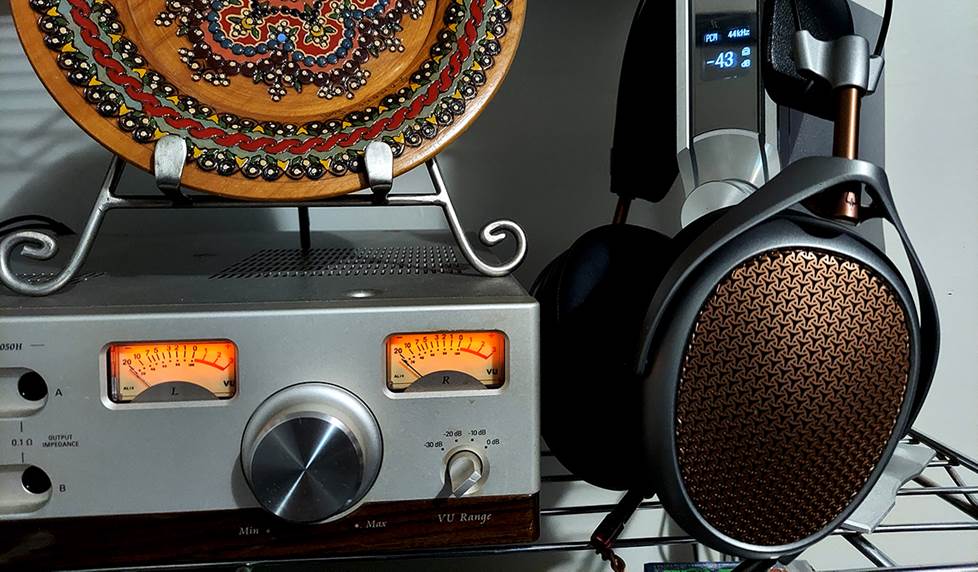
My listening setup included iFi's NEO iDSD and an older tube amp — but the Meze POET headphones are efficient enough to work with smaller, more portable DAC/amps.
The Billy Strings track “Seven Weeks in County” is a haunting Western fable fueled by an undercurrent of upright bass, fiddle, and ominous banjo strum. That's cut with a Celtic-inspired mandocello and guitar duel that envelops the head with the POET headphones. Every twang and chord change pops through these headphones, with transients that are distinct, yet never distracting.
Well-rounded and cohesive
That’s probably the greatest strength of these headphones. While you could listen for specific sonic characteristics — and be pleased — it’s the sum of the parts that’s most impressive. Even with the extended soundstage, the bass has muscle, the highs are crisp, and the mids are given gravitas. But most importantly, they all complement each other well.
A "multisensory" personal audio experience.
The album La BOA meets Tony Allen (24-bit/48kHz on Qobuz) features an 8-piece Colombian band — named La Bogotá Orquesta Afrobeat — laying a bouncy, Caribbean groove over lost recordings of Allen’s legendary drumming. At the time of these recordings, Allen wasn’t trying to put together a song, so the band must adapt to his stream-of-consciousness. And when it works it really works — especially through the holographic presentation of the Meze POET headphones.
On the track “Patas Arriba,” The drums are quick and tactile, laying a distinct, centered foundation. Guitars and synths extend the soundstage to the left and right, while various horns dance around it. Even with the healthy distance and distinction between instruments, everything comes through with presence and bite.
Product highlights
- over-the-ear, open-back wired headphones made with premium materials and metals
- smaller, lighter design than Meze's highest-end models like the Empyrean II and Elite
- planar magnetic drivers with patented hybrid array design
- delivers articulate mids and highs with tight, strong bass
- milled-aluminum frame with lightweight carbon headband
- includes latched storage case and an 8.2-foot detachable oxygen-free cable with a 1/4" headphone plug
- machined and hand-assembled at Meze's headquarters in Romania
- frequency response: 4-96,000 Hz
- sensitivity: 130 dB
- impedance: 55 ohms
- warranty: 1 year
Need more help? Contact us!
Have questions about how the Meze POET headphones compare to others? Contact us today.
Our expert Advisors know headphones inside and out. Your Advisor can send specific Crutchfield pages to your screen, saving you a lot of browsing time. You'll get a shopping cart loaded up with everything you need.
Free lifetime tech support is included with your Crutchfield purchase.











Comments (0)