Turntables & Accessories


How to shop for turntables & accessories
After CD players took the world by storm, record players flirted with extinction. Now they're hip again. Go figure.
Below you'll find advice on how to choose the best turntable for your situation. To learn more, read our complete buying guide.
Belt drive
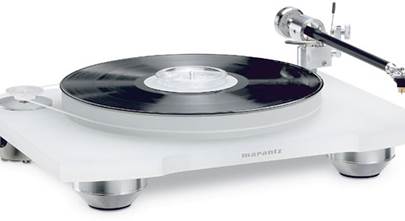
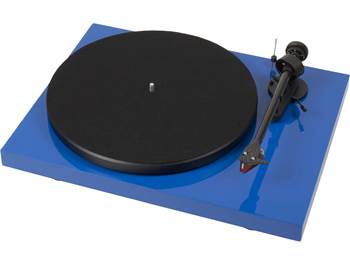
In a belt-drive turntable, an elastic belt connects the motor to the platter. Since the motor is kept separate from the platter, there's less risk of motor noise creeping into your sound.
Direct drive
Direct-drive turntables have the motor integrated directly with the platter. DJs love these because they can spin the record back and forth without worrying about damaging any belts or the motor.
Fully automatic
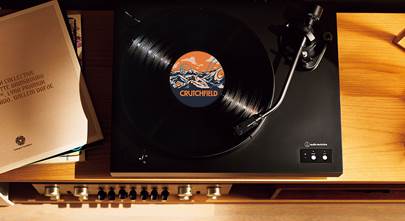
With a fully automatic turntable, all you need to do is press a button and let it do its thing. The tonearm glides into position, gently drops the needle onto the record, and when the music’s over, it lifts itself up and returns to its starting spot.
Semi-automatic
A semi-automatic turntable lets you kick things off by lowering the tonearm yourself. Once the record's finished, the turntable takes care of lifting the tonearm and shutting off the motor, so you don’t have to worry about the stylus wearing out on the dead wax.
Manual
If you like to keep things simple, a manual turntable might be your style. You’re in full control, cueing the tonearm at the start and lifting it at the end. Fewer automatic features mean there's less that can go wrong.
Wow and flutter
This spec measures how smoothly the turntable spins the platter. If it’s off, you’ll hear a noticeable wavering in the sound. The lower the number, the better — aim for below 0.25% for the best performance.
Ever wonder what happens when you lower the needle onto your favorite record? Here's the gist.
As the turntable spins, a tiny needle (or stylus) at the end of the tonearm traces the single groove etched into the record. But it’s not just following a path—it’s picking up the vibrations hidden within that groove. These vibrations travel up the needle to the cartridge, where they're converted into a small electrical signal. That signal heads to your amplifier, which brings it to life as music through your speakers. It's a precise blend of science and nostalgia, turning those record grooves into a living, breathing soundtrack.
To understand the finer points and learn how to choose a record player, read our buying guide.
Phono preamps
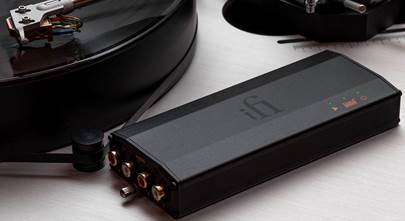
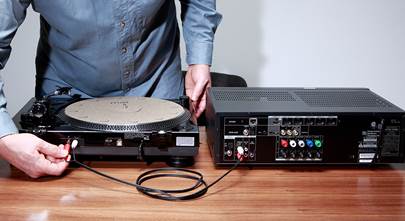
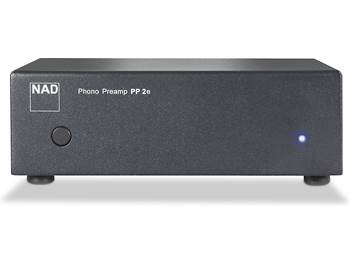
Think of a phono preamp as the “magic touch” in your vinyl setup. It’s that crucial middle step between your stylus and your speakers or headphones. Some turntables and receivers come with a phono preamp built in, but hardcore vinyl enthusiasts often opt for an outboard preamp to dial in their perfect sound. Curious how it all comes together? Check out our guide to connecting a turntable.
Turntable cartridges
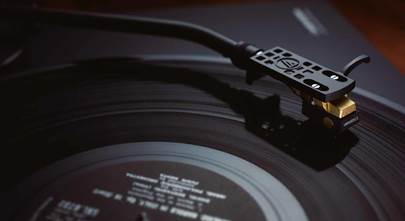
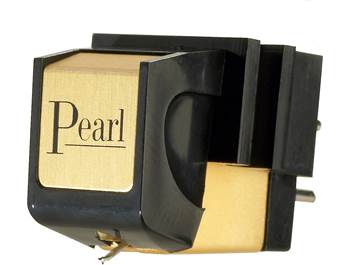
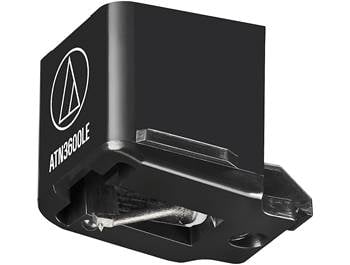
The turntable cartridge, or phono cartridge, is the tiny shell where the magic happens. It houses the needle (aka stylus) and converts the needle's vibrations into an electrical signal.
Most setups use moving-magnet (MM) cartridges, which work with any phono preamp. For those chasing even finer details in their sound, moving-coil (MC) cartridges are the way to go. High-output MC cartridges fit right in with any preamp, while low-output ones need a preamp with a moving-coil setting. Want the full scoop? Dive into our phono cartridge buying guide.
Turntable speakers
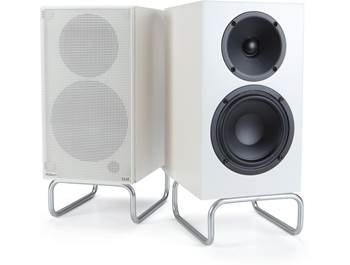
Looking for an easy, clutter-free way to enjoy your vinyl? All you need is a turntable and a pair of powered speakers with a built-in phono preamp. Check out these turntable compatible powered speakers for some good options. If your turntable already has a phono preamp, or you’re using a separate one, you can pair it with any powered speakers you like.